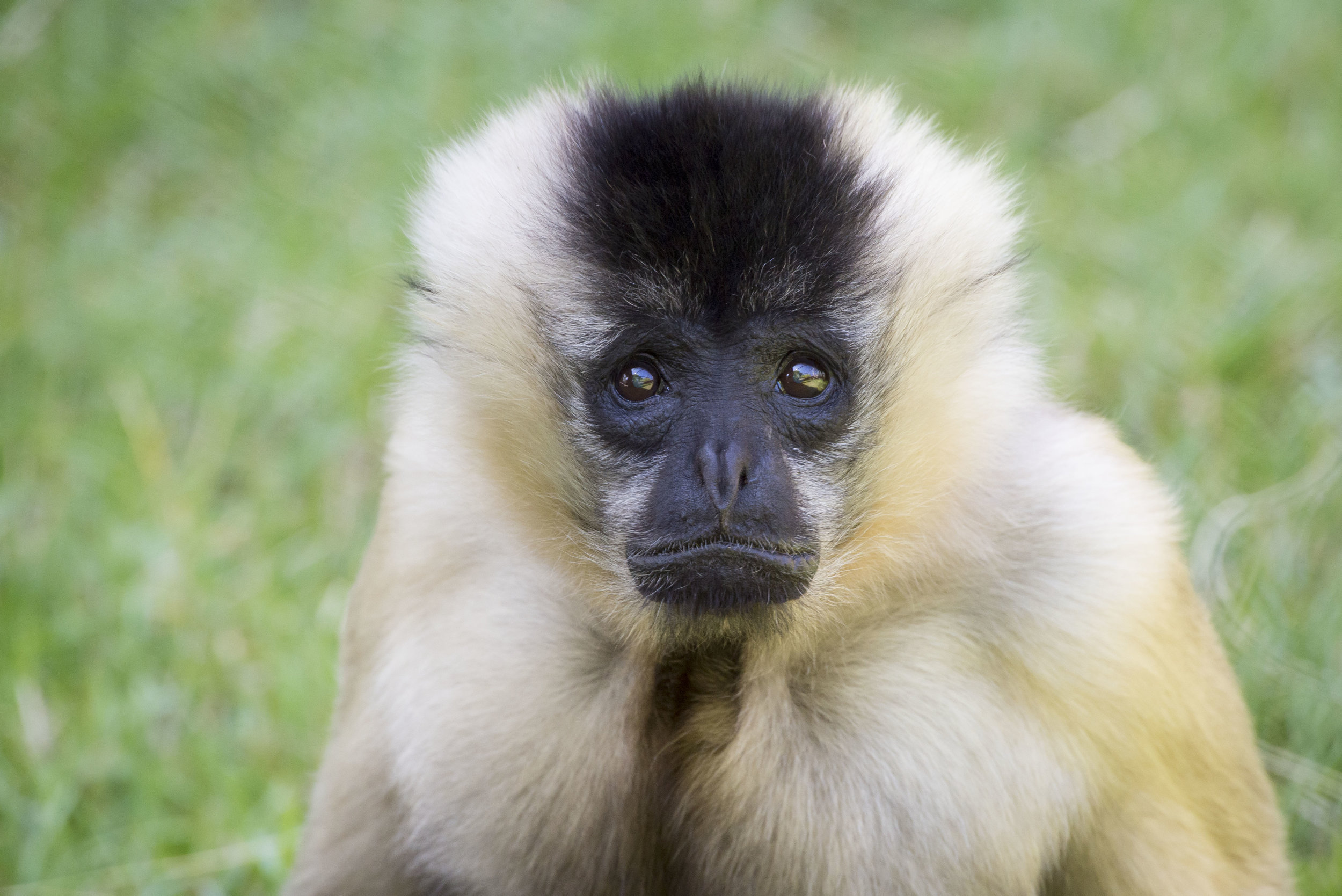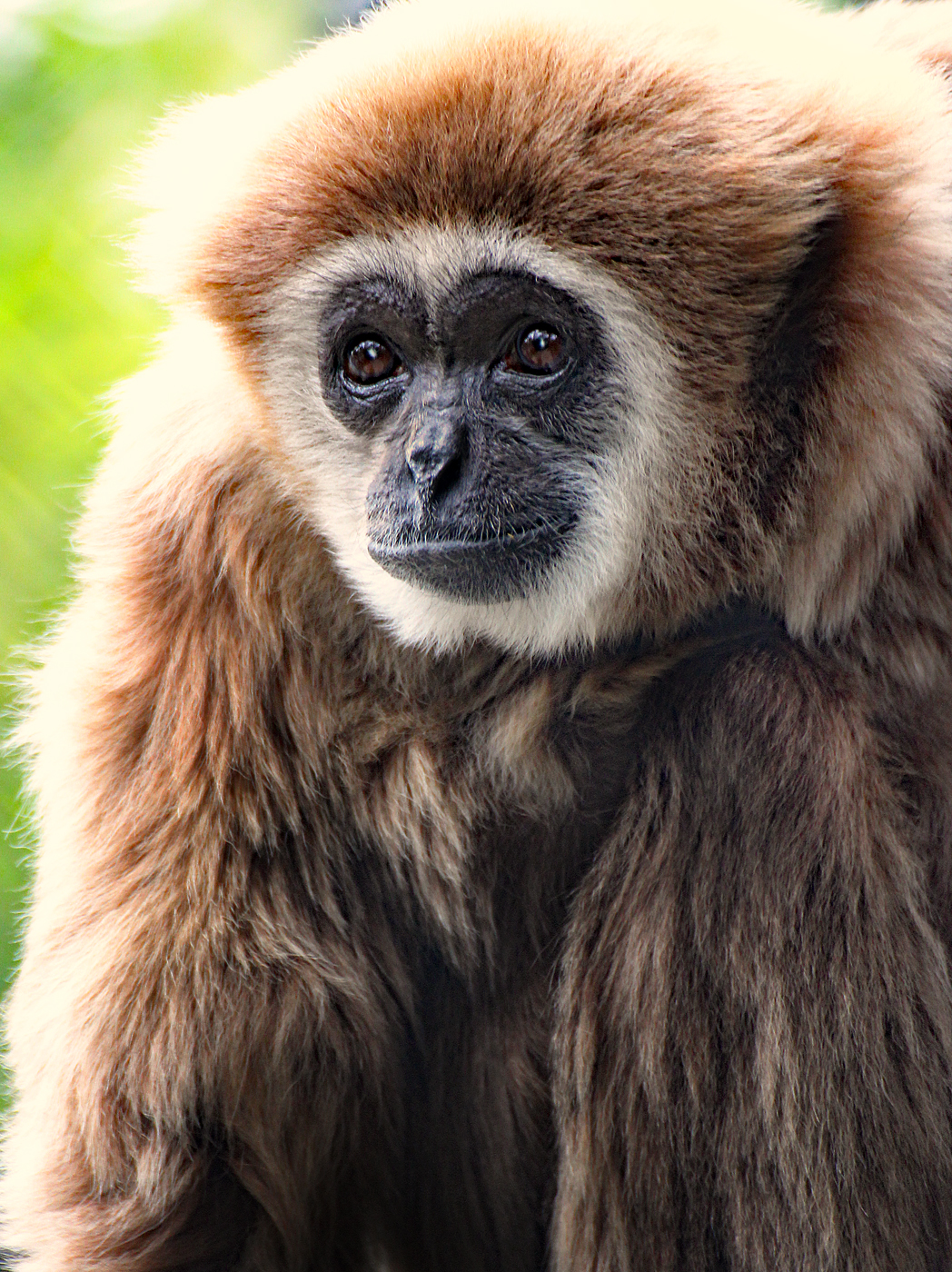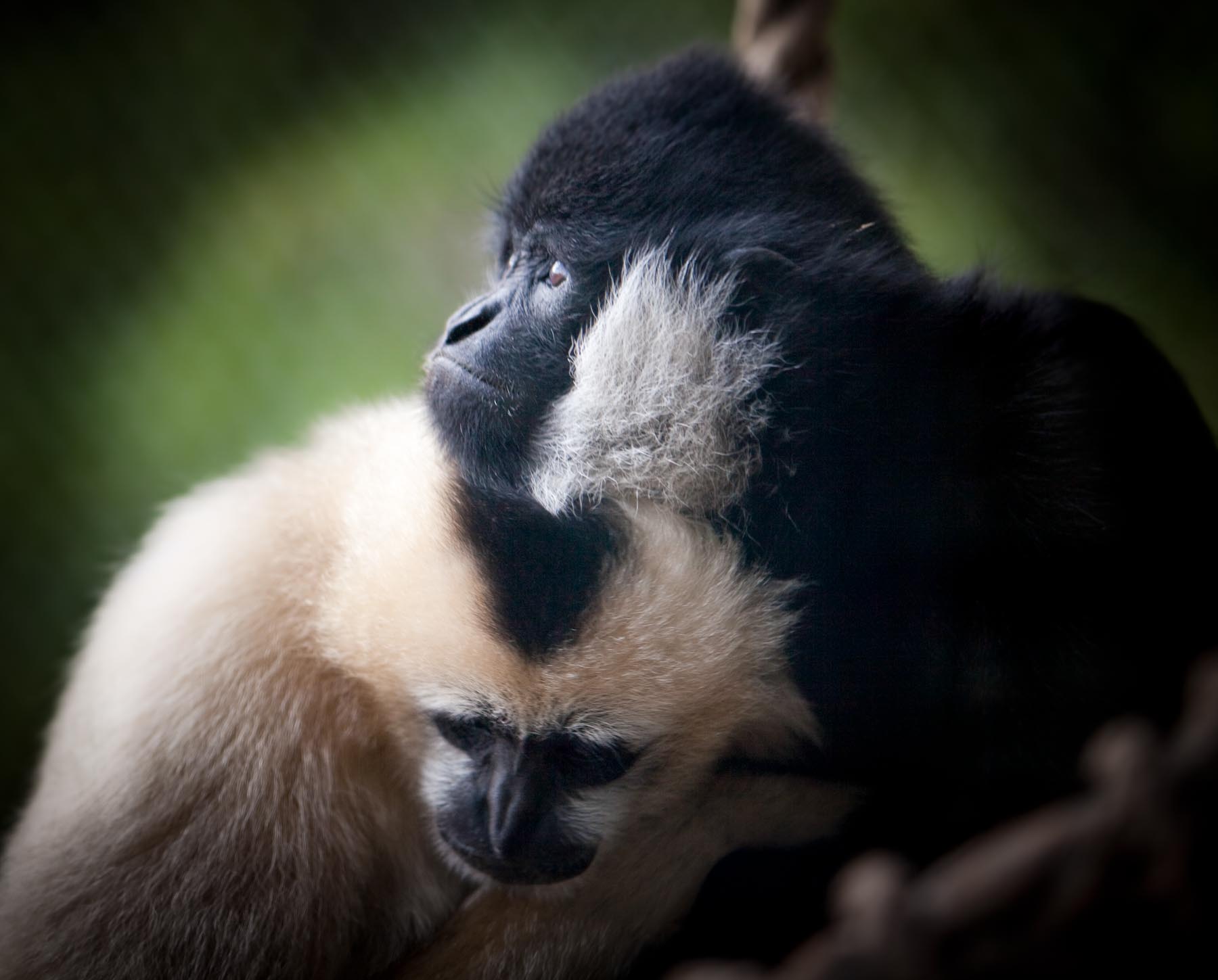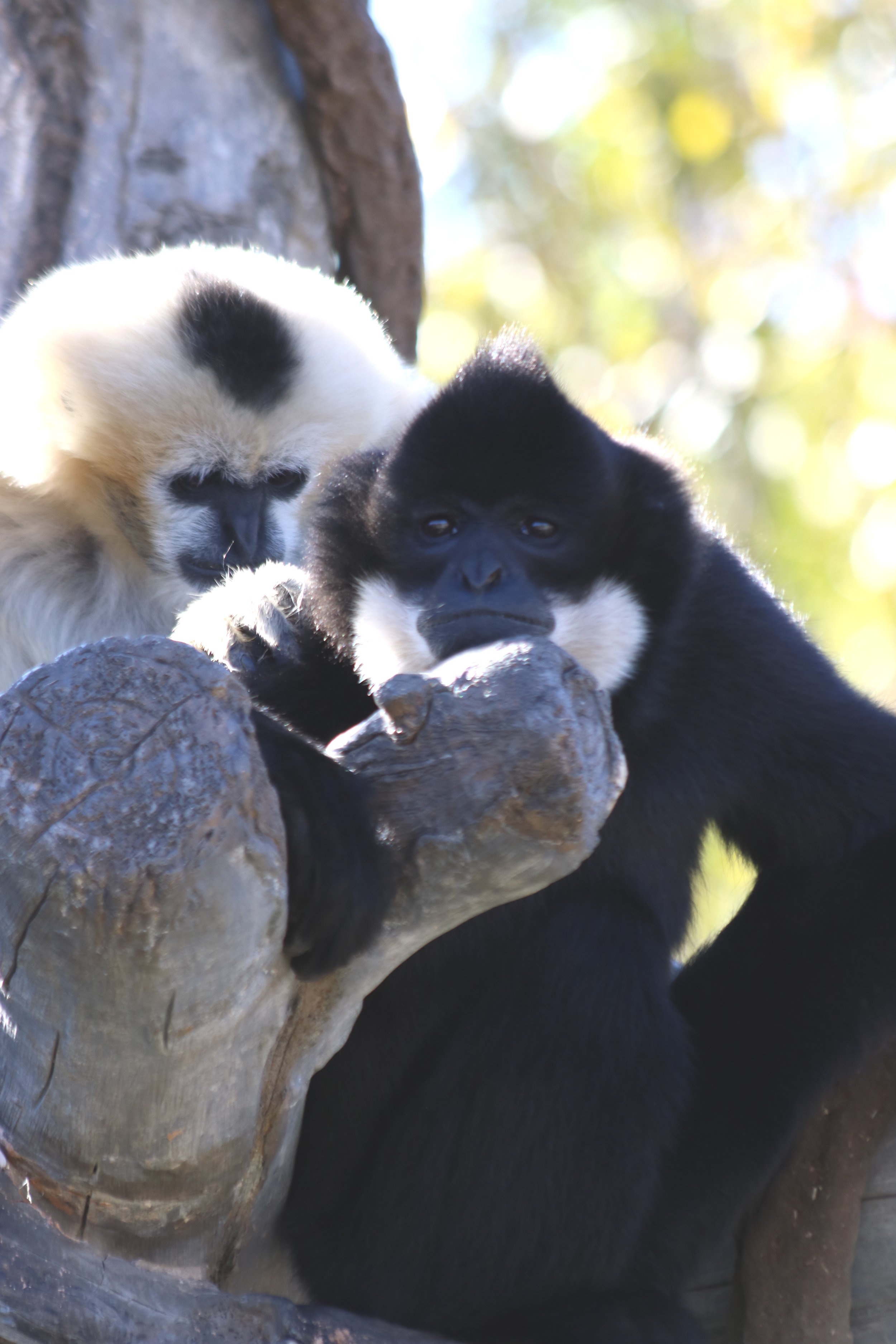

The Gibbon SSP is dedicated to providing progressive and timely support to AZA-accredited and SSP-partner institutions to ensure the highest standards of husbandry and welfare for gibbons in managed care.

Gibbon News
SAFE Gibbon program launched
The SAFE Gibbon program was approved by AZA in late 2025, making it the 50th SAFE program! SAFE Gibbon’s four pillars of progress include:
Supporting rescue, rehabilitation, and rewilding of wild gibbons
Reducing wildlife trafficking
Supporting applied conservation and research goals of field partners
Education the public about gibbons and their conservation needs

Purchase your Gibbon SAFE merchandise by scanning the QR code to the left or clicking the link below
Learn more about the Program Plan by scanning the QR code to the right.

partnership with Peppermint narwhal to support gibbon safe projects

SAFE Gibbon has partnered with Peppermint Narwhal to create a white-cheeked gibbon pin! A portion of the sales of this pin will support SAFE gibbon Projects. Be sure to get you (and all your friends) one today. Follow the link below to Peppermint Narwahl’s site.
updated measles recommendations
Important health information that could impact your primates and the humans that care for them:
Measles cases are on the rise across the U.S. and globally. In the US, after the development of clinical cases in Texas following a decline in vaccination rates, and the virus has now spread to many states across the country. It is anticipated that cases will rise with increase in travel during the summer months. This disease is highly contagious but preventable with vaccination, and we want to make sure everyone is aware of the current situation and how we can all play a role in preventing its spread – especially to the vulnerable populations in our care. Click below for more information.
responsible Use of images of non-human primates on social media
The IUCN/SSC Primate Specialist Group has created guidelines for appropriate use of non-human primates in images on social media. It can be tempting for professionals to post photos or video of them working with primates, however, images lacking context can be misconstrued and can inadvertently fuel the wildlife trade in range countries. Please read the guidelines and commit to supporting wild gibbons.
IUCN SSC Best practice guidelines for responsible images of non-human primates